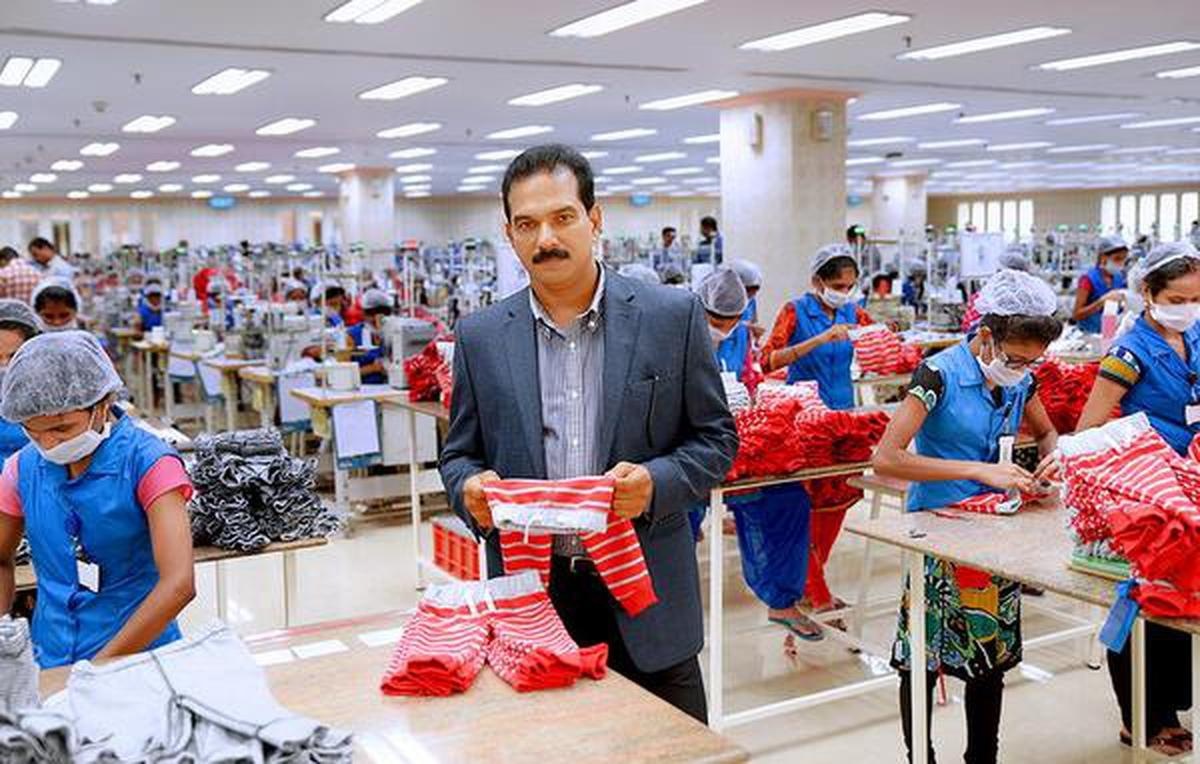
Kitex Garments Ltd Q1 FY26 + 50% Capex Overdrive, 33x PE for Baby Clothes, Debt Ballooning like a Pram Tire
1. At a Glance
Kitex Garments—the world’s second-largest infantwear maker—exports to giants like Carter’s, Gerber, Walmart, and Target. With ₹989 Cr FY25 sales, ₹132 Cr PAT, 20% OPM, and a fresh ₹3,550 Cr expansion spree, it’s basically stitching debt-fuelled dreams while rocking the baby cradle. Q1 FY26 showed ₹197 Cr sales (+3.3% YoY) and ₹20.8 Cr PAT (-24% YoY), proving once again that toddlers grow faster than Kitex’s quarterly profits. Debt is now ₹1,082 Cr vs ₹25 Cr two years ago, making even PSU bankers nervous.
2. Introduction
Kitex Garments is that unusual desi story: headquartered in Kerala, promoted by the flamboyant Sabu M. Jacob, and yet dominating the cut-throat US infantwear market. They supply to retail giants who decide trends, dictate margins, and squeeze manufacturers like toothpaste tubes. Kitex proudly calls itself “the second largest babywear maker in the world.” Cute, but when your top three customers account for most of your sales, that’s more hostage situation than market leadership.
While India debates China+1, Kitex is already deep into America+0.7—69% revenues from the USA, 25% domestic, and the rest crumbs from Europe. Now, they’re taking the bold step of bringing their US brand Little Star into India, aiming for ₹1,000 Cr in 2–3 years. But let’s be honest: convincing Indian parents to ditch Pampers + Carter’s knockoffs for a ₹1,500 Kitex romper won’t be easy.
Meanwhile, the company has launched the Warangal and Sitamampur mega projects (₹2,890 Cr capex). Combined, they promise 2.5 million garments/day capacity and 40,000+ new jobs. Noble, yes. But funded 70% by debt, it’s basically saying “Baby, one day I’ll grow into Page Industries margins—till then, please pay my EMI.”
3. Business Model – WTF Do They Even Do?
Kitex makes infantwear (0–24 months). That’s it. No jeans for teens, no sarees for moms, just baby bodysuits, rompers, and pyjamas. But the company does everything from yarn to finished garment in-house:
Spinning
Dyeing (robotic, automated)
Knitting
Printing
Cutting and sewing
This vertical integration gives them quality control and speed, but also means heavy upfront investment.
Clients: Carter’s, Gerber, Walmart, Target, TJ Maxx. Dependence is scary: if Carter’s decides to move one order to Vietnam, Kitex’s earnings graph could look like a baby’s heartbeat monitor.
Own Brands: Through Kitex USA LLC, they sell under Lamaze and Little Star in US & Canada. In FY26, they launched Little Star India, a bold attempt to move from anonymous supplier to consumer brand. The target: ₹1,000 Cr India sales in 2–3 years. Optimistic? Yes. Doable? Only if Indian moms stop bargaining on Myntra and Amazon.
💡 Commentary: Sales grew a toddler step, but PAT fell like a dropped rattle. The March quarter was unusually strong, making June look weaker. But the real concern—margin compression + rising debt.
Question: Would you pay 50x earnings for a company making baby onesies?
5. Valuation Discussion – Fair Value Range Only
Method 1: P/E
FY25 EPS = ₹6.6.
Sector PE: 20–30x.
Fair Value = ₹130 – ₹200.
Method 2: EV/EBITDA
EV = ₹5,398 Cr.
EBITDA FY25 ≈ ₹195 Cr.
EV/EBITDA = 27.7x.
Fair range at 12–18x → EV = ₹2,340 – ₹3,510 Cr → per share = ₹95 – ₹140.
Method 3: DCF (simplified)
Assume FCF ~₹100 Cr steady.
Growth 10%, discount 12%.
Value ≈ ₹2,500–₹2,800 Cr → per share = ₹125–₹140.
📌 Fair Value Range: ₹120 – ₹180 per share Disclaimer: For educational purposes only, not investment advice.
6. What’s Cooking – News, Triggers, Drama
Warangal Apparel Park (Aug’25): Commercial operations began. Huge job creator, but debt-funded.
Little Star India Launch (Aug’25): Ambition to hit ₹1,000 Cr sales in 2–3 years. Sounds like “Shaadi.com” promising true love—possible, but tough.
₹3,000 Cr Equity Raise (Aug’25): Board approved QIP to fund mega expansion. Dilution alert.
AGM (Sep’25): 50% dividend declared, capex plan reaffirmed.
SEBI Non-Compliance: Fines in FY24–25 for regulatory lapses. Not exactly baby-safe governance.
Audit Qualification FY25: Associate investment flagged (~₹277 Cr). Smells like skeletons in toy cupboard.