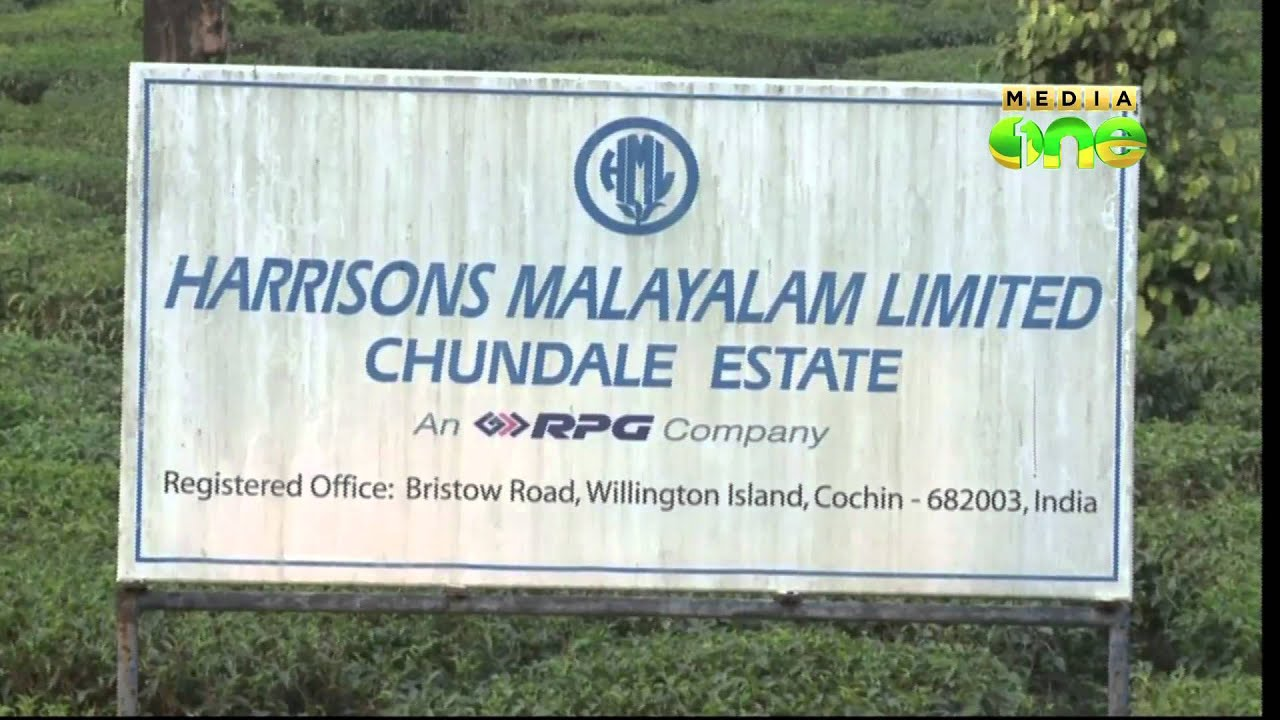
Harrisons Malayalam Ltd: Tea, Rubber & Courtroom Drama – Brewing Profits or Brewing Trouble?
1. At a Glance
Harrisons Malayalam Ltd (HML), a proud member of the RPG/RP-Sanjiv Goenka Group, claims to be in the business of tea and rubber. In reality, it’s in the business of testing investor patience. With 13 tea estates and 11 rubber plantations, it produces CTC, orthodox teas, and rubber sheets—but half the story is about litigations, land disputes, bans on tree-felling, resignations, and even encroachments on estates. At ₹388 Cr market cap, the company trades at a modest P/E of 14.6, but don’t be fooled: plantations are less about harvesting crops and more about harvesting patience.
2. Introduction
Picture this: a company with lush green estates in Kerala and Tamil Nadu, rolling tea gardens and rubber tapping units. Sounds serene, right? Enter Harrisons Malayalam Ltd—a plantation veteran incorporated in 1978. Instead of sipping Darjeeling chai in peace, the company spends more time with lawyers than with pluckers in the fields.
The company has ~6,000 hectares under tea and ~7,300 hectares under rubber. But wait, some of that land is untapped because 140 hectares in Kumbazha are literally encroached by trespassers. Imagine telling shareholders, “Our profits are down because squatters stole our plantation.”
Revenue split? Roughly 46% tea, 54% rubber. But margins remain thinner than a wafer biscuit at 6.7% OPM. On top of that, the Kerala government once banned tree-felling, meaning replanting rubber trees wasn’t allowed until the Supreme Court had to remind the state that plantations don’t grow forever.
So, what do we have? A company with assets in land, some decent brand heritage, but battling operational inefficiencies and legal chaos.
Question: Would you call this a plantation company or a live case study in Indian bureaucracy?
3. Business Model – WTF Do They Even Do?
HML makes money the old-fashioned way—selling tea and rubber.
Tea Division (46% revenue): CTC and orthodox teas, small production of green and white tea. Some from their own gardens, some from bought leaf operations (basically reselling farmer-supplied tea).
Rubber Division (54% revenue): Large plantations, though mature area under rubber is declining. They even barter land—vendors allowed to grow pineapples on rubber estates. Nothing screams “diversification” like tea, rubber, and pineapples.
Minor Crops: Pineapple, pepper, cardamom, spices. These are like side hustles for when rubber prices fall.
Capacity: 23 million kg of tea, 13 million kg of rubber. But utilization depends on monsoons, government rules, and whether or not their land gets encroached.
So yeah, they’re a plantation company. But with encroachments, bans, litigations, and replantation issues—it feels less like managing crops and more like managing land disputes on steroids.
4. Financials Overview
Source table
Metric
Latest Qtr (Jun 2025)
YoY Qtr (Jun 2024)
Prev Qtr (Mar 2025)
YoY %
QoQ %
Revenue
₹116 Cr
₹97.7 Cr
₹136.7 Cr
+19.2%
-14.8%
EBITDA
₹8.21 Cr
-₹4.26 Cr
₹6.57 Cr
Turnaround
25%
PAT
₹5.96 Cr
-₹5.61 Cr
₹5.19 Cr
206%
+14.8%
EPS (₹)
3.22
-3.03
2.81
—
+14.6%
Comment: From losses last year to profits now, thanks to higher tea prices and rubber stability. But profits are seasonal—like mangoes, enjoy