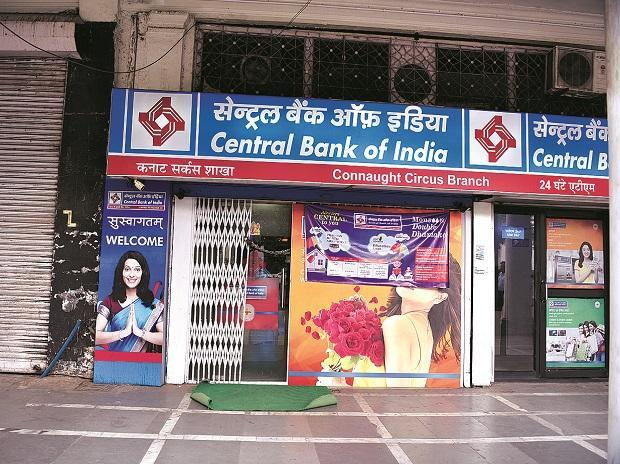
1. At a Glance
Once the crown jewel of India’s financial system, Central Bank of India now feels like that retired uncle who shows up at weddings in a three-piece suit, but everyone knows he’s living off borrowed money. With 4,500 branches, ₹32,422 crore market cap, and a stock price that has collapsed 40% in a year, the bank is a walking contradiction: big CASA ratio (50.58%) but equally big skeletons in its NPA cupboard. This is the classic PSU banking story – the façade of stability, backed by government guarantees, while shareholders pray the stock doesn’t slip into penny territory.
2. Introduction
Let’s set the scene:
This is a 112-year-old bank (founded in 1911) that once carried the name “Central” with pride, as if it were the beating heart of India’s financial system. Fast forward to 2025, and it’s more like the appendix – you don’t really need it, but removing it might cause complications.
From being placed under Prompt Corrective Action (PCA) in 2017 due to sky-high NPAs, to clawing its way back into some form of respectability, Central Bank of India has been through every possible rollercoaster a PSU bank can experience.
And yet, the contradictions are delicious:
- Gross NPA once near 15%, now tamed to 3.14% in June 2025.
- ROE finally at 11.4%, but return on assets is still a humble 0.85%.
- It trades at just 0.88x book value, a PSU discount tag that screams “Investors don’t trust you fully.”
This is a story of how a bank that literally holds stakes in Zambian banks and Indian rural banks can’t get its own stockholders excited.
Question to you: do you think government-backed banks will ever give private sector–style returns, or are PSU investors just masochists?
3. Business Model – WTF Do They Even Do?
Like every other commercial bank, Central Bank of India earns money in three broad ways:
- Treasury operations – Buying/selling government bonds (basically, lending money to their own parent – the Government).
- Corporate & Wholesale Banking – Giving large loans to corporates, which historically became NPAs faster than onions rot in the summer.
- Retail Banking – The “safe” part: home loans, education loans, personal loans. Fun fact: 57% of retail book is home loans, so the bank is basically betting on Indians’ undying obsession with owning 2BHKs.
- Other Banking – MSME lending, agriculture finance, and partnerships.
Interesting tidbits:
- Exposure to infrastructure sector = 11%. If you ever wanted to know which sector PSU banks love lending to despite