1. At a Glance
TGV Sraac (earlier Sree Rayalaseema Alkalies & Allied Chemicals) is the chemical cousin you never wanted at family functions. While others brag about jobs in IT, this one casually says, “I make caustic soda, chloroform, fatty acids, and toilet soaps.” With a ₹1,469 Cr market cap, promoters clutching 63.8%, and exports forming a minuscule 3% (rest desi demand), TGV is a rare small-cap chemical company that just clocked 182% profit growth last quarter. Basically, caustic soda ban raha hai paisa soda.
2. Introduction
Imagine a company that does everything your chemistry lab smelled of — caustic soda, hydrochloric acid, chlorine gas, methylene chloride, glycerine, and soaps. That’s TGV Sraac, founded in 1981, operating out of Andhra Pradesh. The flagship of the TGV Group, it is ISO-certified across quality, environment, and safety — meaning it can at least make dangerous stuff “responsibly.”
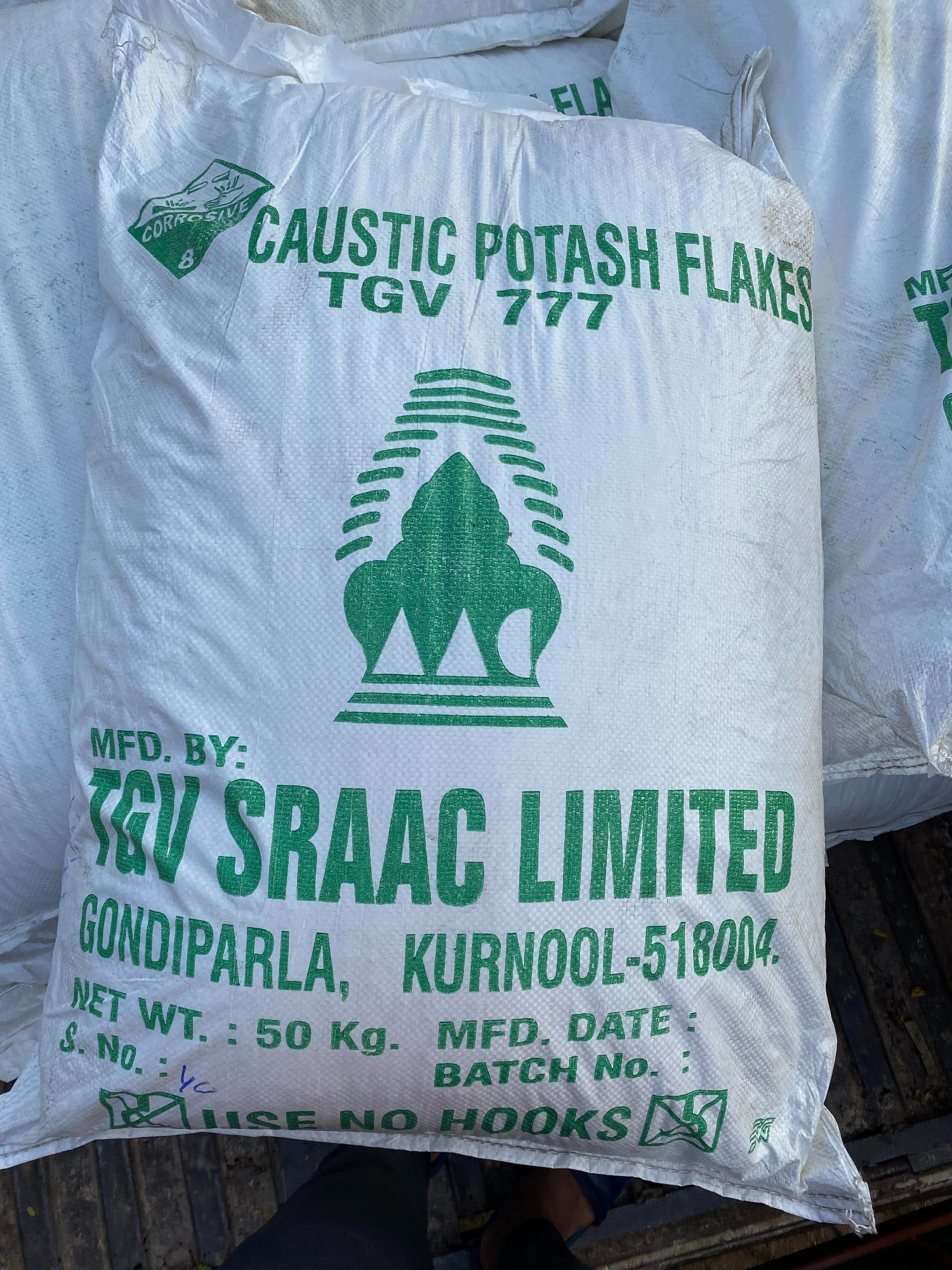
The business is simple: 95% revenues from chemicals, 5% from fats & oils. The big daddy product is caustic soda (58% of sales) — critical for textiles, pulp & paper, alumina, soaps, detergents, petroleum, fertilisers. Add caustic potash (16%), methylene chloride (11%), chloroform (5%) and you’ve basically got Breaking Bad’s ingredient list.
They also run 28 MW power projects, including 23 MW solar, wind farms at Ramgiri, and are adding more renewable capacity (because ESG is the new “PR shampoo”).
Exports go to 20+ countries but remain tiny (3%), meaning this is still a Made in India, Sold in India story. And unlike IT companies, their US exposure is limited to container shipments of chlorine barrels.
Question: Would you trust a company that makes both toilet soaps and chloroform?
3. Business Model (WTF Do They Even Do?)
a) Chemicals (~95% of revenue)
- Caustic soda, caustic potash, chlorine, hydrochloric acid.
- Chloromethane products: methylene chloride, chloroform, carbon tetrachloride.
- Used in textiles, pharma, fertilisers, detergents, water treatment.
b) Oils & Fats (~5%)
- Castor derivatives, fatty acids, soap noodles, glycerine.
- But scaled down operations due to wafer-thin margins.
c) Power
- 22.75 MW solar operational, expanding 17.25 MW more.
- Wind farms (6.35