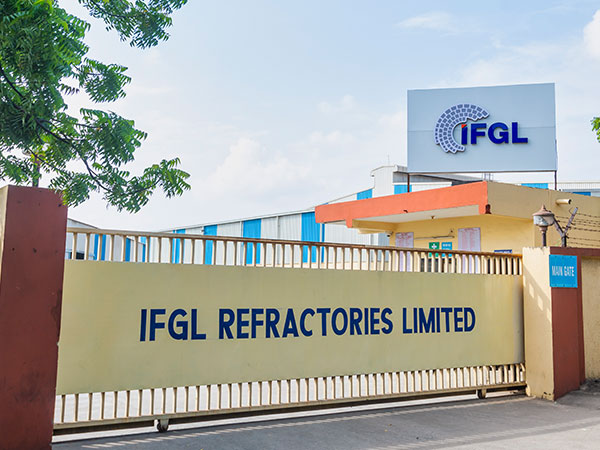
IFGL Refractories Ltd: ₹1,692 Cr Sales, 7% Margin – Fireproof Bricks, But Not Fireproof Profits
Date of Publishing -
Spotted a factual error — a wrong number, date, or fact? Tell us and we will check the source.
1. At a Glance
IFGL Refractories is that kid in class who supplies cheat sheets to all the toppers (read: Tata Steel, ArcelorMittal, JSW, SAIL). Without its refractory products, steel plants would literally melt down like your patience during an Indian wedding sangeet. But here’s the twist—despite having 10 global plants, marquee clients, and decades of experience, the company’s profits behave like a Salman Khan box office movie: huge hype, weak ending.
2. Introduction
Picture this: you’re making steel, molten metal hotter than your chai, and you need containers, linings, and systems that won’t give up mid-job. That’s where IFGL steps in. They sell “refractories”—basically the armor plates for steel plants. No refractory, no steel. Simple.
Promoted by S.K. Bajoria Group and once tied to Japan’s Krosaki Harima (big daddy in the global refractory world), IFGL operates in 50+ countries with marquee clients—ArcelorMittal, Thyssenkrupp, Nucor, Tata, JSW. Sounds glamorous, right? Until you open their quarterly results. Revenue: okay-ish. Profit: abysmal. ROE: laughable.
In fact, their stock P/E (68.5) is higher than India’s inflation jokes, while return ratios barely beat fixed deposits. Think of it like buying a Ferrari but only driving it at 20 km/h on Delhi’s Ring Road.
But hey, management is spending crores on capacity expansions in Odisha, Vizag, and Kandla. Will this be the turnaround or just another season of Indian Idol (lots of drama, few real stars)?
3. Business Model (WTF Do They Even Do?)
Let’s decode in plain desi English:
Products: Slide Gate Systems, Purging Systems, Ladle/Tundish Refractories—basically all the “don’t-let-your-steel-leak-and-kill-people” stuff.
Revenue Mix: 85% from selling finished goods, 12% from trading, 3% from other hustles.
Geography: 55% India, 45% exports—half desi, half NRI.
Clients: Steel royalty. Top five bring 30–35% of sales (translation: lose one, and your balance sheet starts doing yoga stretches).
Subsidiaries:
Hofmann Ceramic (Germany): ceramics for foundries.
Monocon (UK): refractory supplies.
EI Ceramics (USA): clay-based refractories.
Oh, and they bought Sheffield Refractories in 2023, so now they also own a slice of British refractory curry.
But here’s the punchline: management openly said they won’t support overseas subsidiaries with Indian cash. Basically: “Kids, you’re on your own. Don’t call home when you’re broke.”