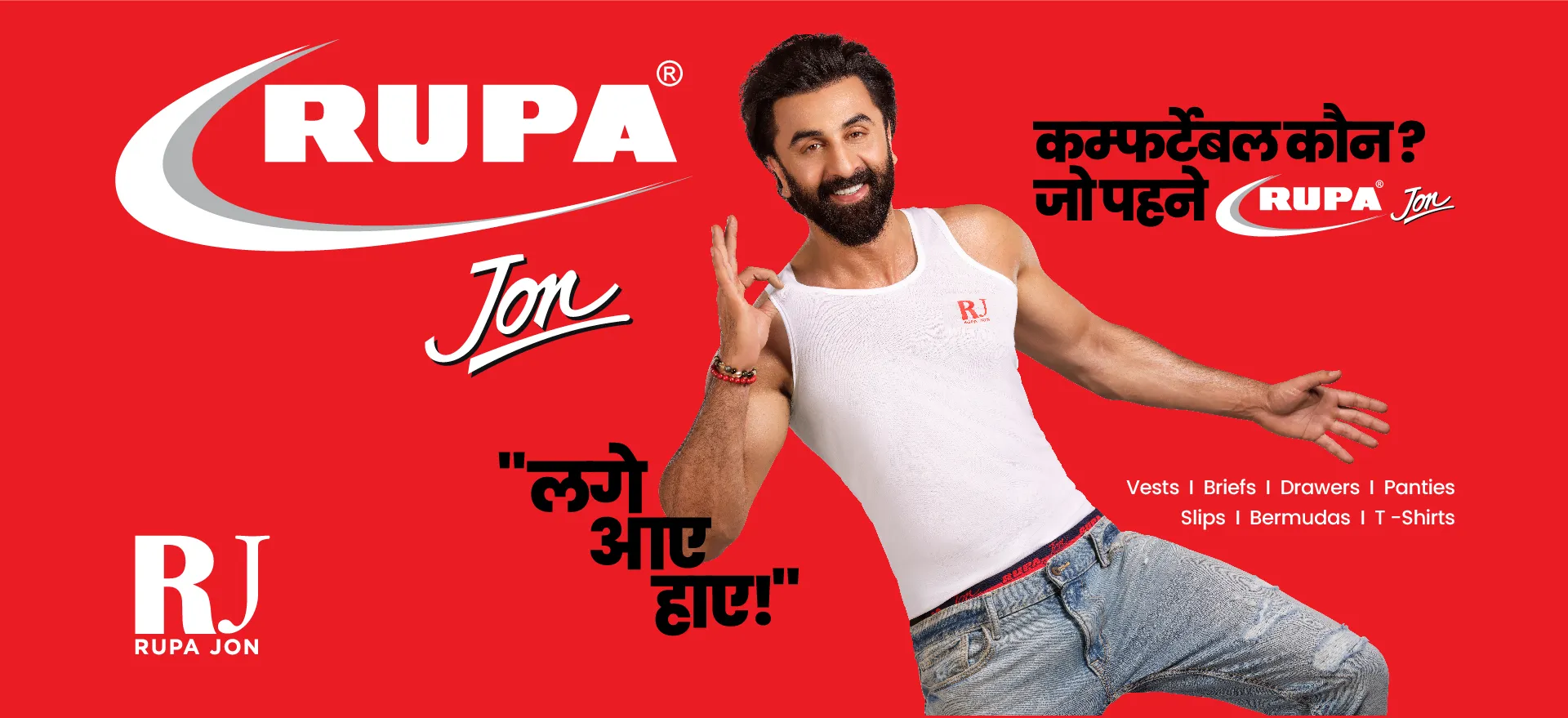
Rupa & Company: 151 Debtor Days, 40 Years in Business – Still Trying to Be the Page Industries of Howrah
1. At a Glance
Rupa & Company Ltd, the innerwear & hosiery veteran, has been in the business for four decades and is still trying to jog faster than its own receivables cycle. The ₹1,694 Cr market-cap brand pumps out everything from banians to athleisure wear, yet its last five-year sales CAGR sits at a sluggish 4.9%. Dividend payout? A healthy 35.8%. Debtor days? A not-so-healthy 151. Q1 FY26 net profit crashed 36% YoY to ₹5.52 Cr, showing that even in a ₹40,000 Cr Indian innerwear market, brand strength doesn’t always translate to margin power.
2. Introduction
Rupa isn’t just a name — for most middle-class Indians, it’s nostalgia stitched into ribbed cotton. From the “Rupa Frontline” ads in the 90s to today’s celebrity endorsements, the company has fought to stay relevant in a market now dominated by premium lifestyle innerwear brands. But it’s not all smooth fabric. In the last three years, Rupa’s sales have actually declined (-6% CAGR), and profit growth has been negative (-24% CAGR). Raw material price swings, heavy competition from Lux, Dollar, and Page, and longer credit cycles have squeezed working capital and margins. Still, they’ve got a vast product portfolio — and in the hosiery game, breadth sometimes keeps you afloat when depth is missing.
3. Business Model (WTF Do They Even Do?)
Rupa is a multi-segment knitwear manufacturer, producing:
Athleisure – Leggings, sportswear. Sales are mostly through a massive distribution network across India, supplemented by exports. Manufacturing is partly in-house, partly outsourced to job workers. The real moat is its distribution strength and brand familiarity in Tier-2/3 cities.
4. Financials Overview
TTM snapshot:
Revenue: ₹1,213 Cr
Net Profit: ₹78 Cr
OPM: 10%
ROE: 8.39%
EPS (FY25): ₹10.47 → P/E at ₹213 = 20.3 Q1 FY26 annualised EPS from ₹0.69 × 4 = ₹2.76 → forward P/E ≈ 77. This spike is due to seasonally weak June quarter and margin compression. Cash conversion cycle: 340 days — this is practically a long-term loan to dealers disguised as sales.