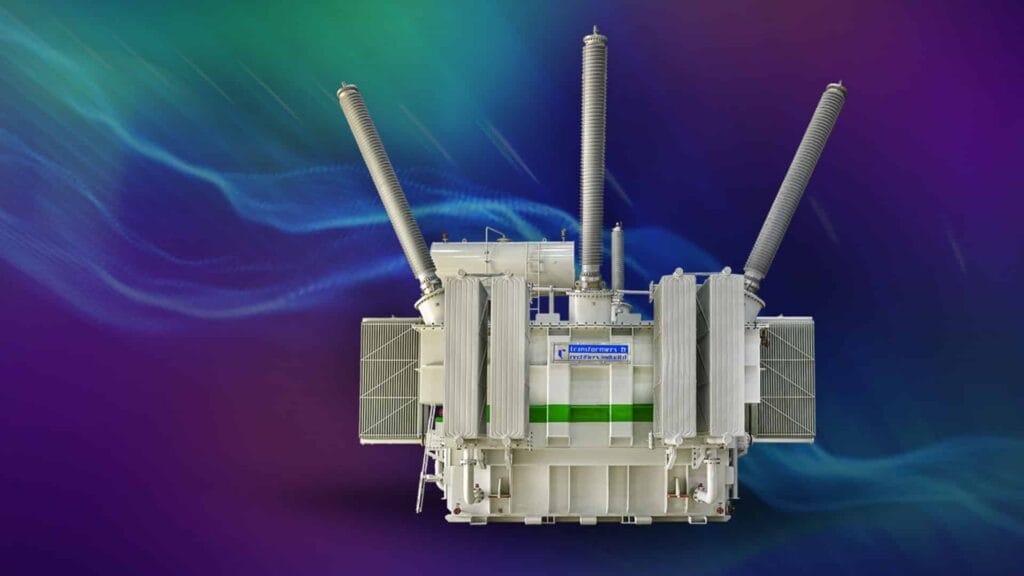
1. At a Glance
Founded in 1994, TRIL is the high-voltage hero of India’s electrical manufacturing space — making transformers, reactors, and specialty power equipment. It’s a small-cap that learned how to run with the big boys, with sales up 52% TTM, PAT up 235% CAGR in 3 years, and an ROCE of 28%. At a P/E of 61, it’s priced like a premium MNC brand, not a domestic B2B equipment supplier. But with an order book that could light up small towns, the market’s clearly betting on a multi-year power capex boom.
2. Introduction
Imagine a company that takes India’s power expansion dreams and turns them into heavy, steel-core realities. TRIL has quietly moved from being “just another transformer maker” to an industry force riding the power sector supercycle.
The numbers speak: 5-year sales CAGR 24%, profit CAGR 251% — an insane jump thanks to operational leverage and better working capital control. Debtor days have fallen from 142 to 85, and working capital days from 73.6 to 34.2. That’s efficiency on steroids.
But there’s a caveat — promoter holding dropped from 74.91% to 64.36% in 3 years, with FIIs and DIIs filling the gap. More institutional eyes mean less room for errors… or creative accounting.
3. Business Model (WTF Do They Even Do?)
TRIL
is a B2B engineering manufacturer for the power generation, transmission, distribution, and industrial sectors, producing:
- Power Transformers: Up to 500MVA & 1200kV Class.
- Furnace Transformers: For industrial applications like steelmaking.
- Rectifier Transformers: For electrochemical and industrial processes.
- Specialty Transformers: Mobile substations, earthing transformers, series/shunt reactors.
Revenue model: Mostly tender-driven, large custom orders with long execution cycles. This means order visibility is decent, but cash flows can get lumpy.
4. Financials Overview
TTM Revenue: ₹2,227 Cr
TTM PAT: ₹263 Cr
EPS (TTM): ₹8.71
P/E: 60.97
ROCE: 28%
ROE: 23.4%
- 5-Year Sales CAGR: 24%
- 5-Year PAT CAGR: 251% (low base effect + margin expansion).
- OPM TTM: 17% — highest in company history.
This is a rare case where margin expansion, working capital discipline, and sector tailwinds are hitting at the same time.
5. Valuation – Fair Value Range
| Method | Assumption | Value (₹) |
|---|---|---|
| P/E | Sector avg 35–45 × EPS ₹8.71 | ₹305 – ₹392 |
| EV/EBITDA | EBITDA ₹373 Cr, multiple 15–18× | ₹562 – ₹674 |
| DCF | 15% growth, 12% discount rate | ₹520 – ₹610 |