At a Glance
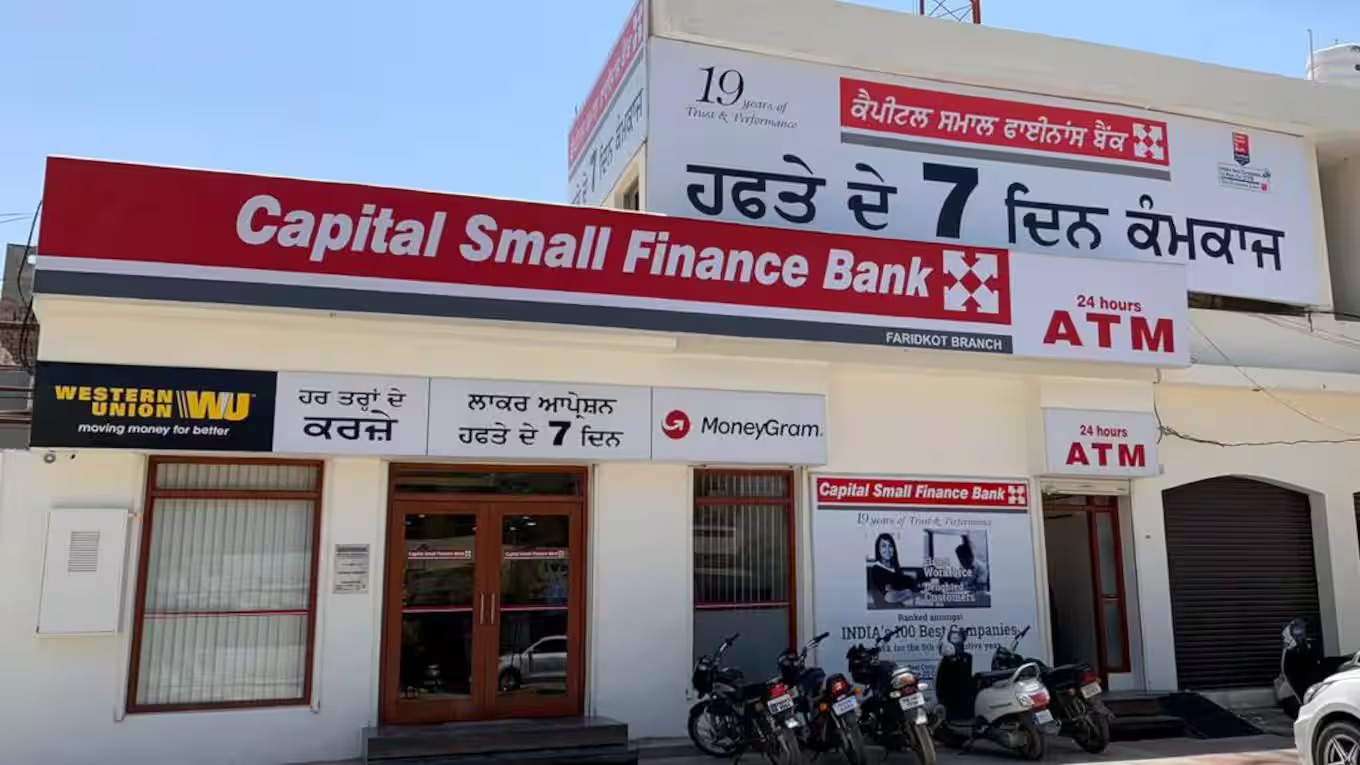
Capital Small Finance Bank Ltd, India’s first Small Finance Bank since 1999, serves middle-income customers with secured lending: agri loans, MSME, mortgages, and corporate financing. The stock trades near book value at ₹307, with a market cap around ₹1,400 Cr. It’s delivering decent 39% profit CAGR over 5 years, but don’t expect fireworks: ROE hovers around 10%, interest coverage is low, and promoter holding has been shrinking. This is the humble, steady grinder of small finance banks — not the showy tech disruptor.
Introduction
When your bank’s name literally screams “Small Finance,” expectations skew towards niche, steady growth with risk carefully managed. Capital Small Finance Bank fits that bill like a snug glove. With roots as a local area bank, it’s now a full-fledged SFB focusing on secured lending to the backbone of India — middle-income customers, MSMEs, and farmers.
The valuation is conservative — 1.01x book value — and the P/E ratio is an attractive 10.5, signaling the market isn’t pricing in any explosive growth or major risk. But watch out for a declining promoter stake and low-interest coverage — the bank’s juggling growth while managing risk, and the results are steady, not spectacular.
Business Model (WTF Do They Even Do?)
Capital Small Finance Bank plays in the secured lending sandbox. Their bread and butter: agriculture loans (including Kisan Credit Cards), MSME loans, mortgages, corporate, and consumption loans. They’ve deliberately steered clear of microfinance institutions, probably because those can be a headache.
The model is straightforward: take deposits, lend to the underserved but creditworthy middle-income segment, earn net interest margins, and grow steadily. No wild fintech gambles here — it’s banking with a conservative, steady hand, focused on incremental growth.
Financials Overview
- Market Cap: ₹1,398 Cr
- Current Price: ₹307
- P/E Ratio: 10.5 (cheap by growth standards)
- Book Value: ₹304 (trading almost exactly at book)
- ROE: ~10.4% (modest)
- ROCE: 7.04% (underwhelming)
- Profit Growth: 39% CAGR over 5 years (respectable)
- Dividend Yield: 1.3% (steady but nothing flashy)
- Promoter Holding: 18.8% and trending down (slightly worrying)
- Interest Coverage: Low (watch out for rising interest costs)
The bank’s earnings growth is solid but the profitability metrics show room for improvement. Interest margins and loan growth are steady, but capital efficiency and return ratios are not yet eye-popping.
Valuation
At roughly book value and a P/E of