At a Glance
ESAF Small Finance Bank, with a sprawling rural footprint and 756 branches, posted ₹893 crore revenue in Q1 FY26 but reported a whopping loss of ₹183 crore. The stock is trading at 0.8x book value around ₹30, reflecting market skepticism about the turnaround. GNPA at 6.9%, NIM at 10.7%, and a negative ROE of -20.9% scream “painful restructuring” — yet the bank remains a key microfinance player in India’s hinterland, hoping to emerge from the red with scale and better asset quality.
Introduction
If you think banking is a cakewalk, ESAF Small Finance Bank will politely remind you it’s more like juggling chainsaws on a tightrope. Founded in 1992 and transformed into a scheduled bank, ESAF specializes in micro and retail loans mainly in rural India — the toughest terrain for credit quality and profitability.
With 89.4 lakh customers and deposits over ₹21,600 crore, the bank has scale. But bad loans, losses, and operational stress have overshadowed its story. The recent quarterly loss of ₹183 crore is a slap in the face, but management is betting on recovery from tighter credit controls, cost rationalization, and loan book diversification.
Business Model (WTF Do They Even Do?)
ESAF plays in the gritty world of microfinance, retail, and small corporate loans. Around 62% of the ₹19,216 crore loan book is micro loans — tiny loans to the unbanked and underbanked, mostly in rural and semi-urban pockets. The rest is retail and other loans.
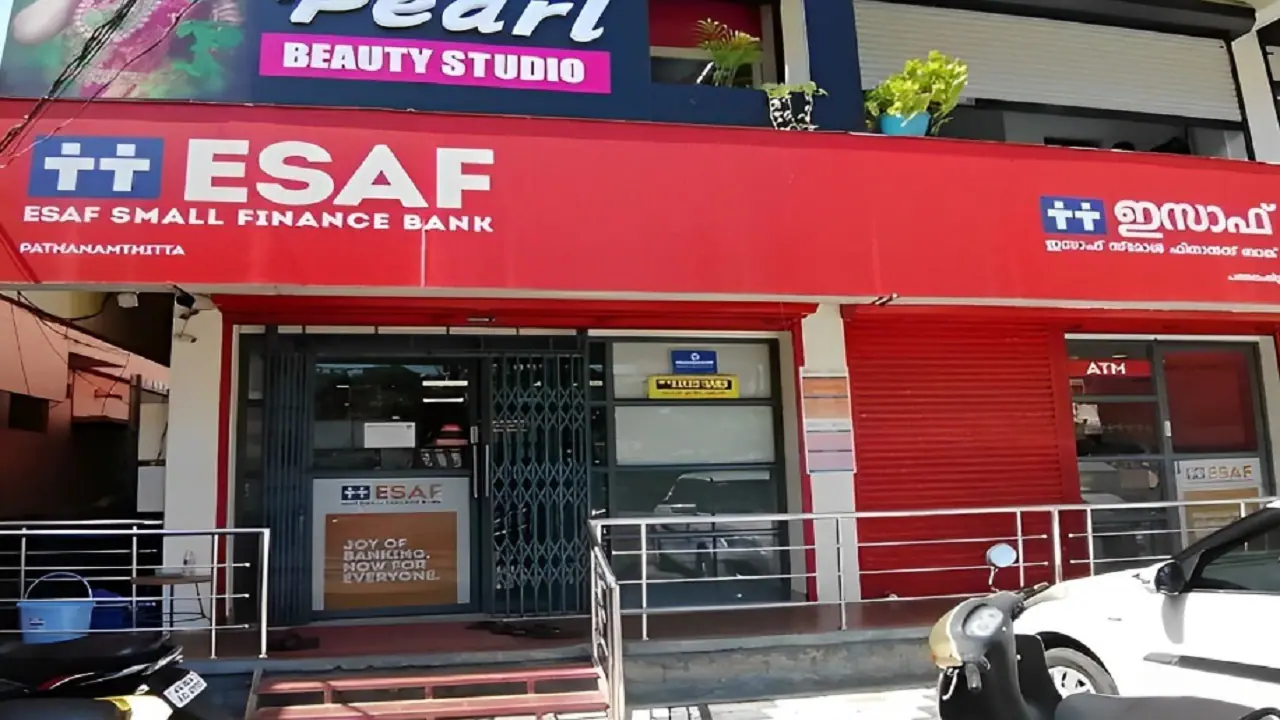
The bank earns through interest spreads, fees, and treasury operations. It runs a large network of outlets and ATMs mostly in rural India, making banking accessible but asset quality management tough. The microfinance segment’s high risk means ESAF is perpetually battling NPAs, provisioning, and regulatory scrutiny.
Financials Overview
Q1 FY26 revenue was ₹893 crore, down 6% QoQ, showing pressure on interest income. The real party pooper: a ₹183 crore loss. Negative PAT, negative ROE (-20.9%), and a shaky balance sheet paint a challenging picture.
NIM is decent at 10.7%, but the GNPA of 6.9% and NNPA of 2.9% remain high, reflecting stressed loans. The bank’s CASA ratio is only 22.7%, indicating it still depends heavily on costly term deposits.
The stock trades at 0.8x book value, meaning the market values