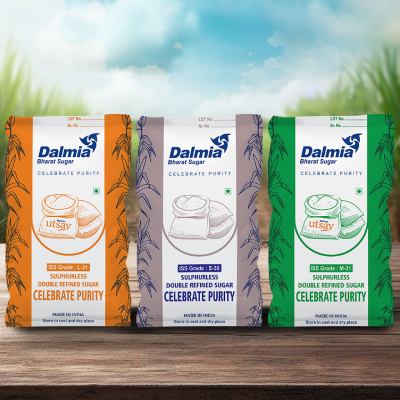
At a Glance
Dalmia Bharat Sugar & Industries (DBSIL) has served its Q1 FY26 dish: revenue ₹943 crore, PAT ₹38 crore, and EPS ₹4.7. The stock trades at ₹356—barely 0.9x its book value, making it look like a bargain bin find. But wait, profits plunged 30% YoY while OPM collapsed to 9%. Distillery volumes rose 21% (ethanol is the new king), but sugar sales were almost flat. Meanwhile, an export fee dispute worth ₹21 crore adds courtroom drama to the mix.
Introduction
Imagine a company that grows sugar, sells ethanol, generates power, and dabbles in refractory products—basically the Swiss army knife of Indian agriculture-industrial hybrids. That’s Dalmia Bharat Sugar for you. Part of the Dalmia Bharat Group, they have mills in UP and Maharashtra and like to remind everyone they’re “youngest” and “fastest-growing,” even though the Q1 numbers suggest they tripped on their own cane fields.
The stock trades at a low P/E of 7.6, making value investors drool. But is it cheap because it’s ignored, or ignored because it’s cheap? Let’s dig into this sugary mess.
Business Model (WTF Do They Even Do?)
DBSIL runs on four cylinders:
- Sugar (67% of revenue): Crushing cane, selling sweetness.
- Distillery (23%): Producing ethanol—currently India’s favorite biofuel child.
- Power: Cogeneration from bagasse (basically burning sugar waste to make electricity).
- Refractories: A side business that’s so small even auditors yawn.
Their future is tied to government ethanol policies, global sugar prices, and weather gods. One bad monsoon or a change in ethanol blending norms, and margins melt faster than ice cream in Delhi heat.
Financials Overview
For Q1 FY26:
- Revenue: ₹943 crore (-1.8% YoY)
- EBITDA: ₹86 crore (margin 9%, down from 19% last quarter)
- PAT: ₹38.4 crore (-30% YoY)
- EPS: ₹4.74
Annual FY25:
- Revenue ₹3,746 crore (+29% YoY)
- PAT ₹387 crore (+42% YoY)
- EPS ₹47.8
- ROE 12%, ROCE 9.5%
💡 Commentary: Strong ethanol growth, but sugar volatility keeps slapping profits around.
Valuation
Step 1: P/E Method
- EPS (TTM) = ₹46.7
- Sector P/E ≈