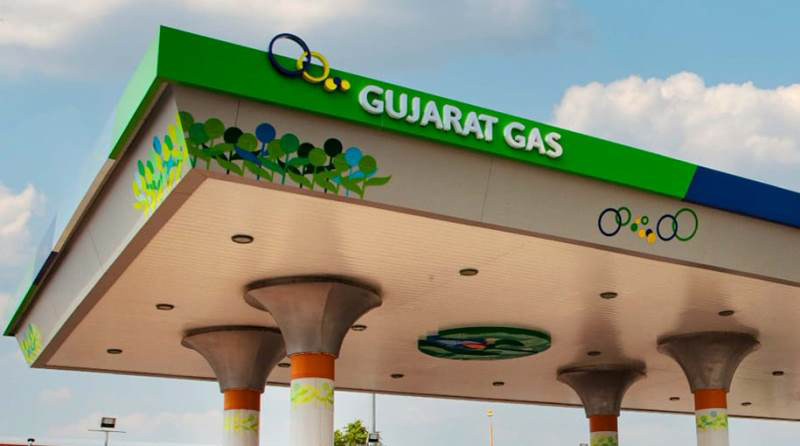
At a Glance
Gujarat Gas Limited (GGL) just dropped its Q1 FY26 results, and while the PAT of ₹327 crore sounds like a polite golf clap, the stock is still stuck in the ₹400s—like a cricket batsman refusing to hit a century. With the highest-ever CNG volume at 3.33 mmscmd and a new venture into propane/LPG sales, the company is clearly experimenting. But investors, who have been burned by a 34% price fall in the past year, are not ready to pop champagne yet. The company remains a PSU—translation: moves slow but survives long.
Introduction
Once upon a time in Gujarat, natural gas flowed like gossip in a family WhatsApp group—fast, everywhere, and unavoidable. Gujarat Gas, the king of city gas distribution, decided to dominate everything from your CNG-fueled car to your industrial boiler. But the fairy tale has a twist: margins have been dancing between 9% and 16%, profit growth is basically on vacation, and the stock’s performance makes even government bonds look sexy.
Still, the company remains the largest City Gas Distributor in India, with a promoter holding of 60.89% (translation: the government still holds the steering wheel). The entry into propane and LPG sales is the corporate equivalent of “trying a new gym routine”—will it actually get results, or just a sprained ankle? Let’s dissect this slow-burning saga.
Business Model (WTF Do They Even Do?)
GGL distributes natural gas via pipelines to households (PNG), industries, and commercial establishments, and operates a vast CNG network for vehicles. Think of it as the UberEats of gas—except you can’t rate them 1 star when prices go up.
Key segments:
- CNG: Lifeline for autos and taxis, major contributor to volume.
- PNG Industrial/Commercial: Supplies industries and hotels, but is highly price-sensitive.
- Propane/LPG: New kid on the block, targeting industrial customers who love experimenting with fuels.
The company operates across South & Central Gujarat and Saurashtra, which makes it regionally strong but vulnerable to local demand cycles. Unlike private peers, it moves at a PSU pace—reliable but slow to innovate.
Financials Overview
For Q1 FY26:
- Revenue: ₹3,871 crore (down 13% YoY)
- EBITDA: ₹579 crore (margin 13%)
- PAT: ₹327 crore (margin 8.4%)
- EPS: ₹4.76 (annualized EPS ≈ ₹19)
The P/E based on annualized EPS = 424 / 19 ≈ 22.3x. Better than Adani Total Gas’s insanity (P/E 101), but still a bit steep given the negative sales growth.
Over the last 5 years, revenue CAGR is 10%, but profit CAGR is -1%.