At a Glance
Triveni Turbine Ltd (TTL) just reported Q1 FY26 with Revenue ₹371 Cr (down 20% YoY) and PAT ₹64 Cr (down 19.5% YoY). Wait, what happened to this usually unstoppable turbine-maker? After years of compounding at 25% profit growth, the latest quarter cooled off faster than a cup of roadside chai. Despite the dip, TTL remains debt-free, high ROE (33%), and armed with tech bragging rights – it just launched India’s first CO₂-based high-temp heat pump. Investors are torn between celebrating innovation and crying over shrinking quarterly sales.
Introduction
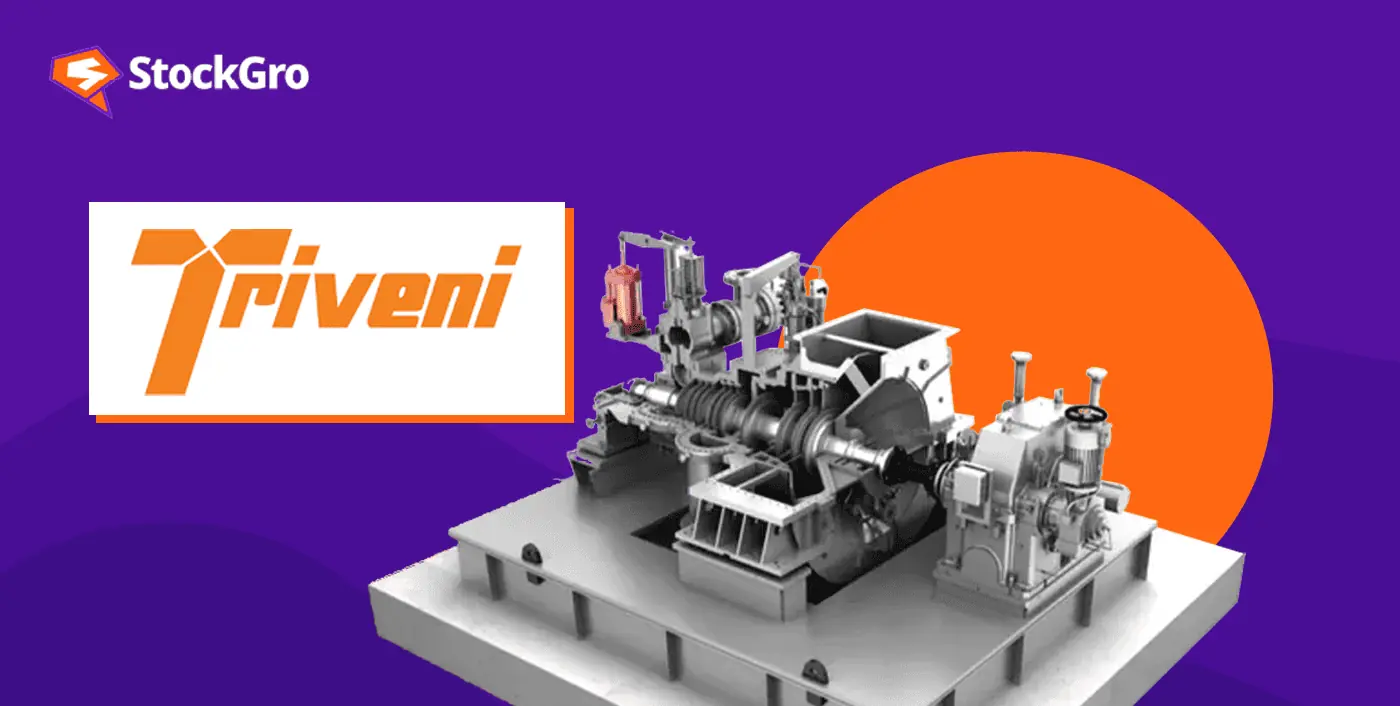
Triveni Turbine is the unsung hero of India’s heavy electrical equipment sector – not as glamorous as ABB or Siemens, but far more consistent than your flaky ex. Known for manufacturing industrial steam turbines up to 100 MW, TTL caters to a smorgasbord of industries: biomass, waste-to-energy, cement, steel, and even geothermal. Basically, anywhere steam can turn a blade, TTL is there.
The stock has delivered 46% CAGR in 3 years and a five-year price CAGR of 56%. But Q1 FY26 threw in a curveball: revenues dropped 20%, profits fell, and the market suddenly remembered valuations matter. At a P/E of 55, the stock is priced like it’s Tesla – except it runs on steam, not dreams.
Business Model (WTF Do They Even Do?)
TTL’s recipe for success:
- Manufacture steam turbines (up to 100 MW) – for industrial captive and renewable power setups.
- Aftermarket services – AMC, repairs, upgrades for turbines (including third-party ones).
- R&D + New Products – CO₂-based heat pumps and energy-efficient solutions.
Their edge? TTL is a niche leader in small-to-medium turbines, where giants like Siemens don’t bother bending down. Plus, it’s capital-light, asset-efficient, and runs like a German-engineered scooter – smooth, but pricey.
Financials Overview
Q1 FY26 Numbers
- Revenue: ₹371 Cr (vs ₹463 Cr YoY, -20%)
- EBITDA: ₹74 Cr (vs ₹96 Cr YoY, -23%)
- PAT: ₹64 Cr (vs ₹80 Cr YoY, -20%)
- EPS: ₹2.03 (vs ₹2.52 YoY, -19%)
- OPM: 20% (stable)
The dip in sales is due to slower order execution and a high base last year, not a structural decline. Margins stayed robust, and TTL still